
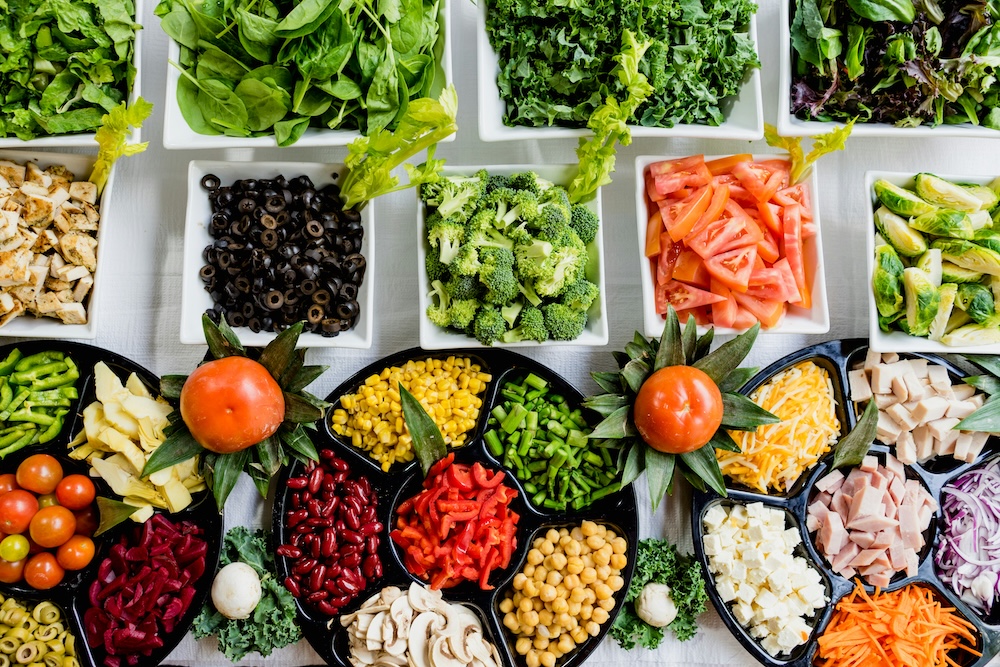
The Mediterranean diet has been crowned the world's healthiest eating pattern so many times that the distinction has become almost routine. Year after year, panels of cardiologists, nutritionists, and epidemiologists point to the same body of evidence: populations surrounding the Mediterranean Sea — in southern Italy, Greece, coastal Spain, parts of North Africa — have historically experienced lower rates of heart disease, type 2 diabetes, cognitive decline, and certain cancers. The research is robust. The consensus is clear. And yet, for many people living in northern climates with different food traditions, busy schedules, and modern grocery stores, the question remains stubbornly practical: how do you actually eat this way on a Tuesday night?
The answer, it turns out, is less about replicating specific dishes and more about understanding the underlying principles — and then translating those principles into the ingredients, flavors, and time constraints that define your own kitchen. The Mediterranean diet was never a formal prescription. It was a way of life, observed by researchers who noticed that certain communities were living longer and healthier than statistical models predicted. What they ate wasn't exotic. It was simple, seasonal, and built around a handful of core habits.
The Architecture of a Mediterranean Plate
Before reaching for a recipe, it helps to understand the structural logic behind a traditional Mediterranean meal. Researchers who have analysed dietary patterns across the region identify a consistent architecture — not a rigid formula, but a recognizable template that appears again and again, from Crete to Catalonia.
At its foundation is an abundance of plant foods: vegetables, legumes, fruits, whole grains, nuts, and seeds. These aren't side dishes or afterthoughts. They are the meal. Olive oil serves as the primary fat — not butter, not seed oils, not coconut oil — and it is used generously, both for cooking and finishing. Fish and seafood appear regularly, often several times a week. Poultry, eggs, and dairy (especially yoghurt and aged cheeses) appear in moderate quantities. Red meat is infrequent — perhaps once or twice a week, sometimes less. And wine, when consumed, is taken in small quantities with meals, never in isolation.
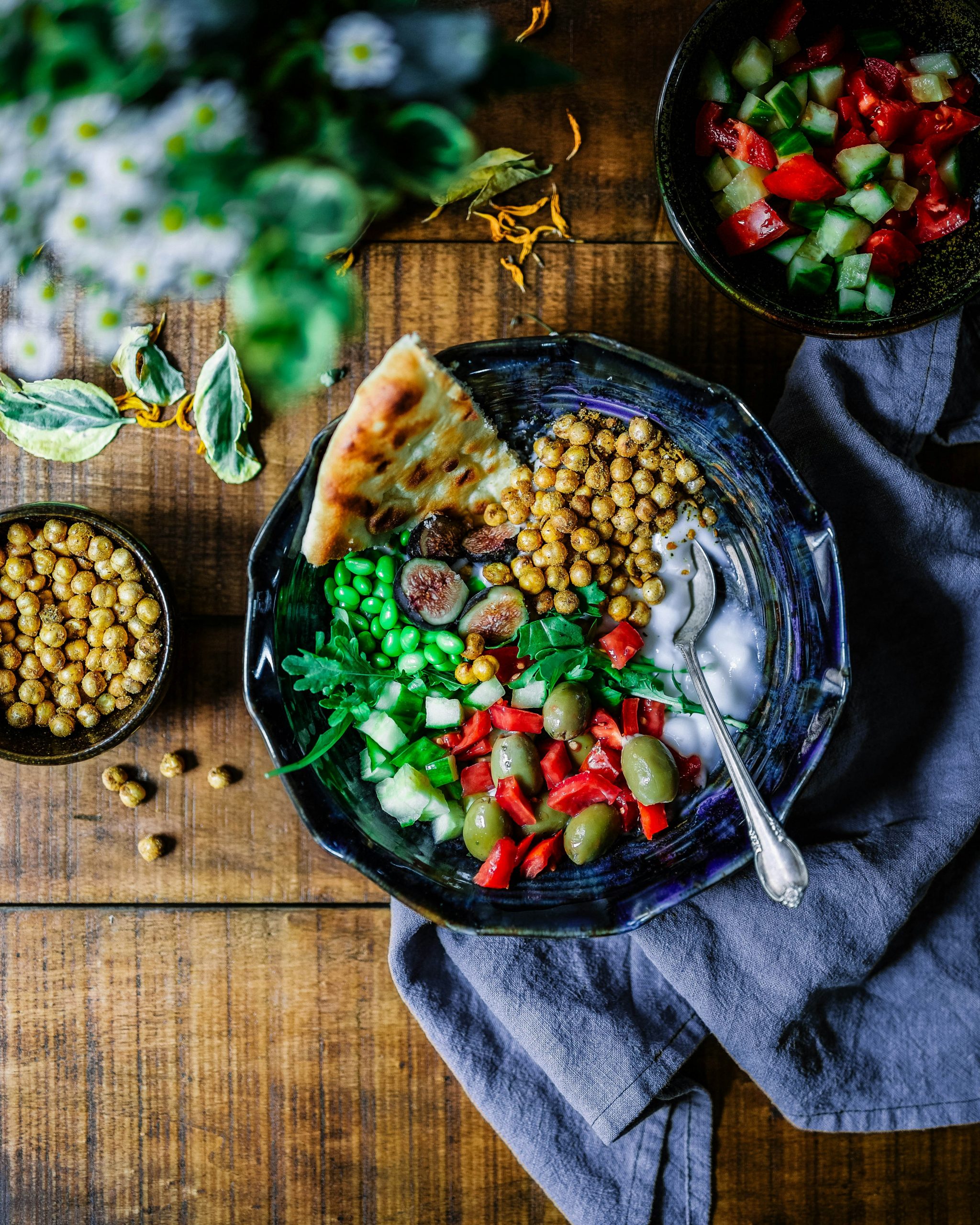
What's conspicuously absent is equally telling: ultra-processed foods, refined sugars, industrial seed oils, and the hyper-palatability engineering that defines much of the modern Western food supply. The Mediterranean diet's power is as much about what it excludes as what it includes.
Why It Works: The Science in Brief
The evidence base behind the Mediterranean diet is extraordinary in its depth and consistency. The landmark PREDIMED trial — a randomised controlled study involving over 7,400 participants in Spain — demonstrated that a Mediterranean diet supplemented with extra-virgin olive oil or mixed nuts reduced the incidence of major cardiovascular events by approximately 30% compared to a control diet. That finding alone would be significant. But it is reinforced by decades of observational studies, meta-analyses, and mechanistic research.
"The Mediterranean diet is not a diet in the modern sense. It is a pattern of eating that evolved over centuries in communities where food was local, seasonal, and shared."
— Dr. Miguel Martínez-González, University of NavarraAt the cellular level, the pattern works through multiple overlapping pathways. Extra-virgin olive oil is rich in polyphenols — particularly oleocanthal and hydroxytyrosol — which exhibit potent anti-inflammatory and antioxidant properties. The high fibre content from legumes, whole grains, and vegetables supports gut microbiome diversity, which is increasingly linked to immune function, metabolic health, and even mood regulation. Omega-3 fatty acids from regular fish consumption reduce systemic inflammation and support cardiovascular and neurological health. And the overall low glycaemic load of the diet helps stabilise blood sugar and insulin levels, reducing the metabolic stress that drives chronic disease.
It's not one magic ingredient. It's the pattern — the interplay of hundreds of compounds consumed together, consistently, over time.
Translating Tradition into Modern Meals
The most common mistake people make when trying to adopt a Mediterranean eating pattern is treating it as a cuisine rather than a framework. They search for Greek or Italian recipes, buy unfamiliar ingredients, and give up when the dishes feel laboured or foreign. But the genius of the Mediterranean template is that it can be adapted to virtually any food culture.
The key is to focus on the ratios and the principles, not the specific dishes. Here's the framework, simplified for a modern kitchen:
The Modern Mediterranean Framework
Make vegetables and legumes the centre of your plate — not a side, but the main event. Use extra-virgin olive oil as your default cooking and finishing fat. Include a source of whole grains at most meals — bread, rice, farro, barley, or oats. Eat fish or seafood two to three times per week. Snack on nuts, seeds, and fresh fruit rather than packaged foods. Cook with fresh herbs and spices generously — they add flavour and carry their own health benefits. Limit red meat to once or twice a week, and treat processed meat as an occasional indulgence rather than a staple.
Notice what this framework doesn't demand. It doesn't require you to make moussaka or paella. It doesn't insist on specific vegetables. A stir-fry of seasonal greens with chickpeas, garlic, and a generous glug of olive oil served over brown rice is, structurally, a Mediterranean meal — even if it doesn't look like one on Instagram.
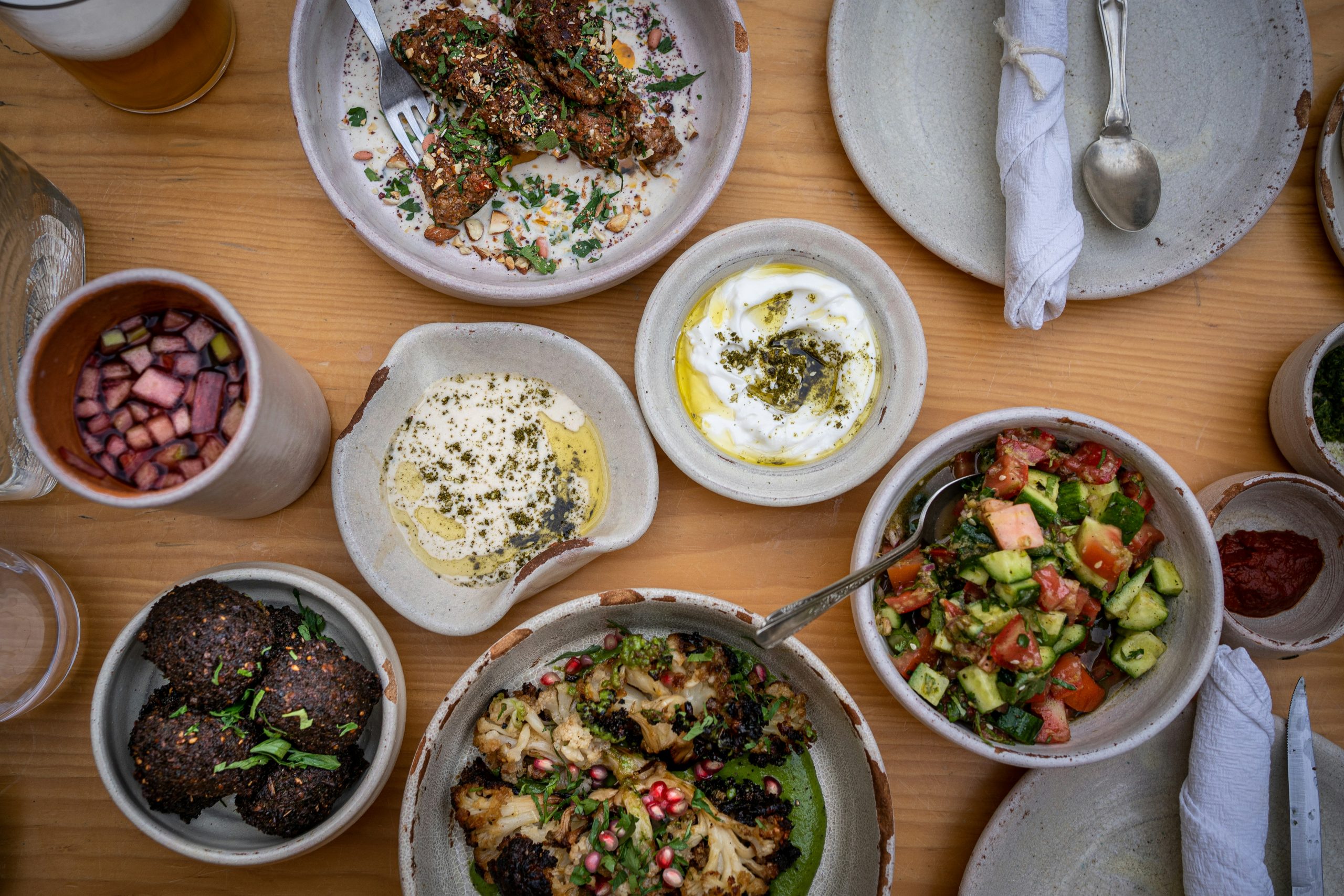
The Weeknight Mediterranean Kitchen
Perhaps the most powerful adaptation of the Mediterranean model is its compatibility with the time constraints of modern life. Traditional Mediterranean cooking was never fussy or elaborate. It was peasant food — born from necessity, built on what was available, and designed to feed families without hours of preparation.
A pot of lentils simmered with canned tomatoes, garlic, cumin, and a bay leaf takes 25 minutes and costs almost nothing. A tin of sardines on toasted sourdough with sliced tomato, a squeeze of lemon, and good olive oil takes five minutes. A simple salad of white beans, roasted peppers, red onion, parsley, and olive oil can be assembled in the time it takes to boil water for pasta.
The secret isn't culinary skill. It's having the right staples on hand and understanding that a meal doesn't need to be photogenic to be nourishing.
A Starter Pantry for Mediterranean Cooking
Stock your kitchen with these foundations and you'll be able to assemble a Mediterranean meal on any given evening: extra-virgin olive oil (the best you can afford — it's your primary fat and your most-used ingredient), canned chickpeas and lentils, canned whole tomatoes, a variety of dried herbs (oregano, thyme, rosemary), good sea salt and black pepper, whole grains (farro, brown rice, or whole-wheat couscous), a block of feta or aged Manchego, tinned fish (sardines, mackerel, anchovies), garlic, lemons, and a bag of mixed nuts.
With these ingredients in your kitchen, you are never more than 20 minutes away from a legitimate Mediterranean meal.
Weeknight Lentil & Roasted Tomato Bowl
Beyond the Plate: The Overlooked Pillars
Nutrition researchers who study Mediterranean populations are increasingly pointing out that the diet alone doesn't explain the full health picture. The traditional Mediterranean lifestyle included several non-dietary habits that are just as important — and just as absent from modern life.
Meals were shared. Families and communities ate together, slowly, often outdoors. This wasn't just social bonding — it was a form of mindful eating that naturally regulated portion sizes and enhanced digestion through parasympathetic activation. Physical activity was woven into daily routines: walking to the market, tending a garden, climbing stairs. Sleep was aligned with natural light cycles. And stress, while certainly present, was buffered by strong social ties and a cultural rhythm that valued rest.
"We've spent decades studying what Mediterranean people eat. We should have spent equal time studying how they eat — and who they eat with."
— Dr. Antonia Trichopoulou, University of AthensThis doesn't mean you need to move to a Greek island. But it does mean that adopting the Mediterranean diet in isolation — while continuing to eat in front of a screen, skip meals, and live in a state of chronic stress — will capture only a fraction of its potential benefit. The plate is one part of a larger pattern. The closer you can get to the whole pattern, the more your body will respond.
A Sustainable Shift, Not a Strict Plan
The Mediterranean diet endures as the world's most recommended eating pattern precisely because it is not a diet in the restrictive, modern sense. There are no macros to track, no foods that are absolutely forbidden, no supplements required. It is a way of eating that is inherently pleasurable — built on good bread, good oil, good wine, and the deep satisfaction of simple food prepared with care.
The best way to begin is not with a 30-day challenge or a meal plan. It's with one small, sustainable shift: swap your cooking oil to extra-virgin olive oil. Add a tin of chickpeas to tonight's dinner. Buy a lemon. From there, the plate builds itself — not through discipline, but through the quiet discovery that the healthiest food in the world also happens to be some of the most delicious.