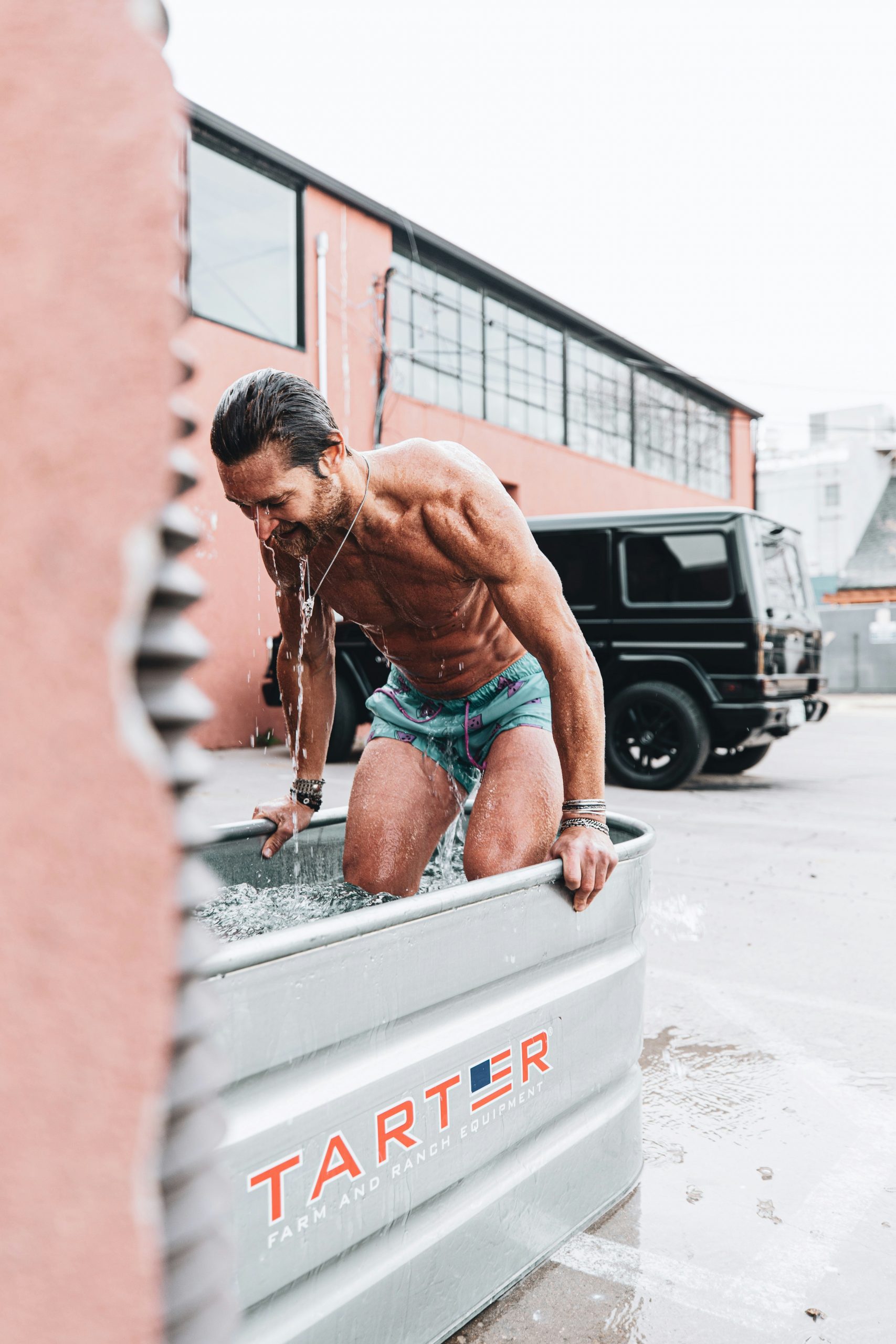

Open any wellness-focused social media feed and it won't take long to find someone climbing into a tub of ice water. The practice has become one of the defining health trends of the last five years — endorsed by biohackers, elite athletes, Silicon Valley executives, and a growing number of influencers who present it as a near-universal prescription for better health. Cold exposure, they claim, reduces inflammation, accelerates recovery, sharpens mental focus, boosts immunity, burns fat, improves mood, and extends lifespan. The messaging is confident, photogenic, and wildly popular. The question that matters, however, is simpler: is any of it true?
The answer — like most answers in clinical science — is more complicated than either the evangelists or the sceptics want to admit. Cold exposure does trigger genuine physiological responses. Some of those responses have documented health benefits. But the gap between what the research actually demonstrates and what the cold exposure community claims is substantial, and in some cases, the evidence points in the opposite direction of the prevailing narrative.
A Brief History of Therapeutic Cold
The use of cold water for health purposes is not new. Hippocrates recommended cold bathing for its invigorating effects in the fourth century BCE. Nordic and Eastern European traditions of alternating between saunas and cold water immersion stretch back centuries. Japanese practitioners of Misogi — ritual purification under cold waterfalls — have maintained the tradition for over a thousand years. And Kneipp therapy, developed by the Bavarian priest Sebastian Kneipp in the 19th century, formalised hydrotherapy into a system that influenced European naturopathic medicine for generations.
What's changed in the last decade is not the practice itself, but the scale of its cultural penetration and the specificity of the health claims attached to it. The modern cold exposure movement owes much of its visibility to Wim Hof, the Dutch extreme athlete whose combination of breathwork and cold immersion attracted global media attention. But it was the subsequent wave of podcasters, coaches, and supplement brands that transformed cold plunging from a niche pursuit into a consumer wellness product — complete with $5,000 cold plunge tubs, subscription apps, and branded recovery protocols.
What Actually Happens in the Cold
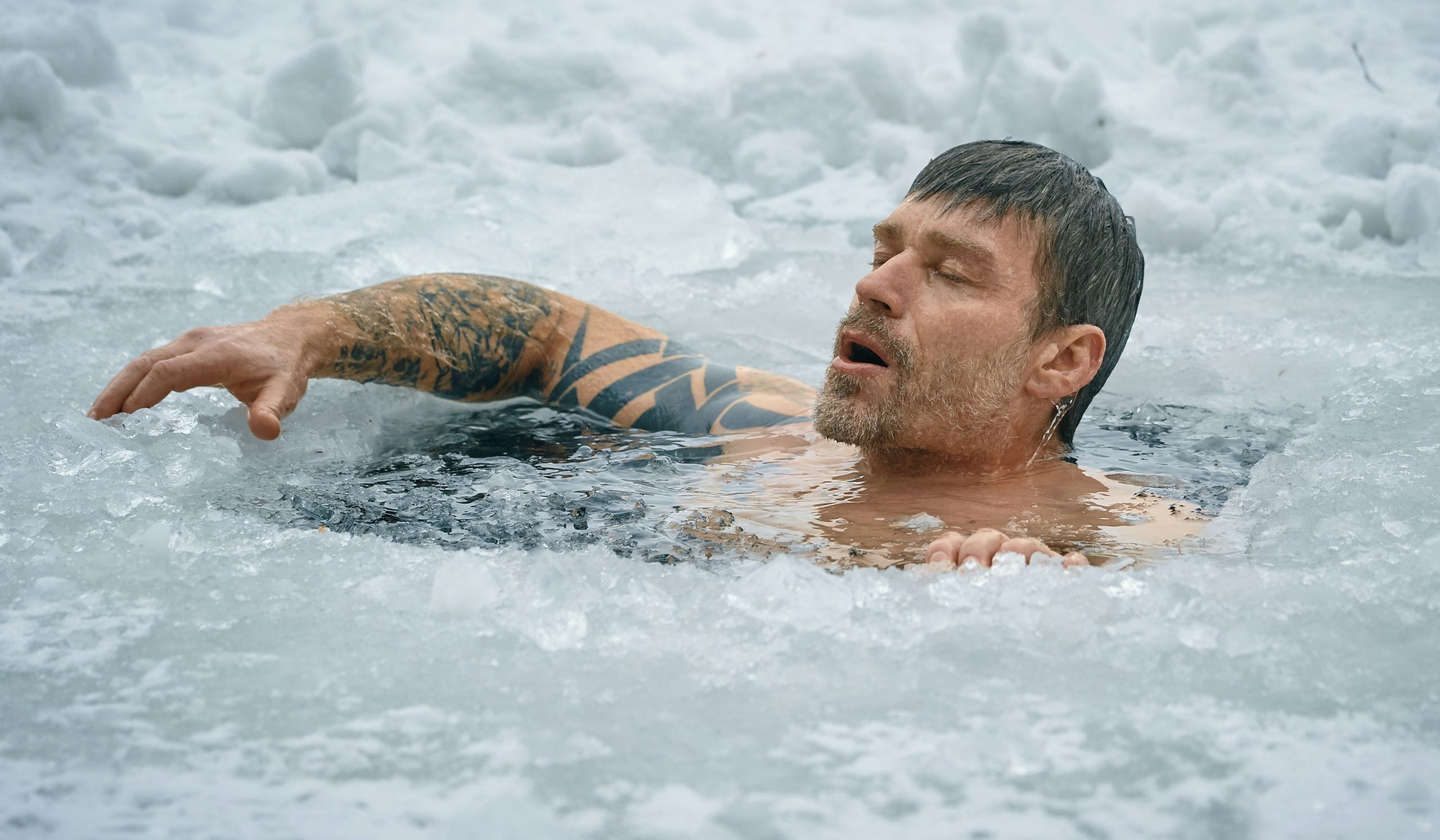
When your body is immersed in cold water — typically below 15°C (59°F) — a predictable cascade of physiological events unfolds. The immediate response is peripheral vasoconstriction: blood vessels near the skin's surface narrow sharply, redirecting blood flow to the body's core to protect vital organs. Heart rate and blood pressure spike. Breathing becomes rapid and shallow — the so-called "cold shock response" — which, in untrained individuals, can trigger dangerous hyperventilation and, in rare cases, cardiac events.
If the body remains in the cold for more than a minute or two, a second phase begins. The sympathetic nervous system activates fully, flooding the bloodstream with norepinephrine (noradrenaline) — a catecholamine that functions as both a hormone and neurotransmitter. Norepinephrine is a central player in attention, mood, and vasoconstriction, and its surge during cold exposure is one of the most well-documented and reproducible findings in the literature.
"The norepinephrine response to cold water immersion is real and significant. What's less clear is whether triggering it repeatedly confers the long-term benefits people assume."
— Dr. Susanna Søberg, University of CopenhagenA 2000 study published in the European Journal of Applied Physiology found that immersion in 14°C water for one hour produced a 530% increase in plasma norepinephrine levels and a 250% increase in dopamine. These are dramatic numbers, and they form the pharmacological basis for many of the mood and alertness claims associated with cold exposure. Norepinephrine is involved in vigilance, attention, and emotional regulation; dopamine plays a role in motivation and reward signalling. It's not surprising that people report feeling alert, energised, and euphoric after a cold plunge — they've just triggered a neurochemical event comparable to a significant pharmacological intervention.
The Claims: What's Supported, What's Not
Claim 1: Cold exposure reduces inflammation
This is perhaps the most frequently cited benefit, and it contains a significant nuance that the wellness community almost universally overlooks. Acute cold exposure does reduce localised inflammation — that's why we put ice on a sprained ankle. Vasoconstriction limits blood flow to the affected area, reducing swelling and tissue damage. This is well-established sports medicine.
However, the claim that regular cold exposure reduces systemic chronic inflammation — the kind implicated in cardiovascular disease, metabolic syndrome, and autoimmune conditions — is supported by far weaker evidence. A 2022 systematic review published in Sports Medicine concluded that while cold water immersion can reduce markers of exercise-induced inflammation in the short term, there is insufficient evidence to support claims of long-term anti-inflammatory effects from habitual cold exposure.
Claim 2: Cold exposure accelerates muscle recovery
This is where the evidence becomes actively inconvenient for cold exposure advocates. While cold water immersion after exercise can reduce perceived muscle soreness — a subjective measure — a landmark 2015 study in the Journal of Physiology demonstrated that post-exercise cold water immersion actually attenuated long-term gains in muscle mass and strength. The cold blunted the inflammatory signalling that drives muscle adaptation. In other words, the very mechanism that makes muscles feel less sore is the same mechanism that inhibits the training adaptation you're trying to achieve.
The Recovery Paradox
Inflammation after exercise isn't a problem to solve — it's the mechanism through which your body adapts and grows stronger. Cold water immersion reduces this inflammation, which can make you feel better in the short term but may compromise the long-term gains from resistance training. The current scientific consensus: avoid cold immersion within several hours of strength training if your goal is muscle growth or strength development.
Claim 3: Cold exposure boosts the immune system
This claim rests largely on a single, widely-cited 2014 study led by Matthijs Kox, which examined participants trained in the Wim Hof Method (combining cold exposure with breathwork and meditation). The study found that trained participants showed an attenuated immune response when injected with bacterial endotoxin — fewer flu-like symptoms, lower pro-inflammatory cytokines. It was a rigorous randomised controlled trial and generated significant excitement.
However, the study could not isolate which component — cold, breathwork, or meditation — was responsible for the effect. Subsequent research has suggested that the breathwork component (which involves a form of controlled hyperventilation) may be the primary driver. Furthermore, an "attenuated immune response" is not the same as a "boosted immune system." Suppressing inflammatory cytokines might be beneficial in autoimmune contexts but could theoretically impair pathogen defence. The claim, as typically stated, overstates the evidence.
Claim 4: Cold exposure activates brown fat and aids weight loss
Brown adipose tissue (BAT) is metabolically active fat that generates heat by burning calories. Cold exposure does activate BAT — this is physiologically well-established. Studies using PET-CT imaging have confirmed that cold stimulation increases BAT metabolic activity. However, the caloric impact is modest. Research published in Cell Metabolism found that maximal BAT activation in adult humans increased daily energy expenditure by approximately 80–150 calories — roughly equivalent to a small banana or a 15-minute walk.
The notion that cold plunging is a meaningful weight-loss strategy is unsupported by the metabolic data. It contributes a minor caloric bonus, but nothing that would register on a scale over weeks or months without concurrent dietary and exercise changes.
Claim 5: Cold exposure improves mood and mental health
This is perhaps the most promising area of inquiry, though still preliminary. The norepinephrine and dopamine surge associated with cold immersion has plausible antidepressant mechanisms, and several small studies have reported improvements in self-reported mood and reductions in depressive symptoms following cold water protocols. A 2023 qualitative study in the British Medical Journal found that regular open-water swimmers reported significant improvements in mental wellbeing, though the study could not separate the effects of cold, exercise, outdoor exposure, and social connection.
The honest summary: cold exposure probably does improve mood acutely, and regular practice may have cumulative mental health benefits — but the evidence is early, the mechanisms are intertwined with confounding variables, and no randomised controlled trial has yet demonstrated that cold exposure alone is an effective treatment for clinical depression.
"People who cold plunge tend to do many other health-promoting things. We have to be careful not to attribute to the cold what might belong to the lifestyle."
— Dr. Mark Harper, Brighton and Sussex Medical SchoolThe Risks Nobody Talks About
The cold exposure community rarely foregrounds risk, but the medical literature does. Cold water immersion carries genuine dangers that are well-documented in emergency medicine research. The cold shock response — that initial gasp and hyperventilation — is implicated in a significant number of drowning deaths each year, particularly in open water. Sudden cardiac events can occur in individuals with undiagnosed arrhythmias or coronary artery disease. Hypothermia, while unlikely in controlled plunge settings, remains a risk in extended outdoor immersion.
Perhaps more insidiously, the culture around cold exposure often encourages people to override their body's distress signals — to "push through" the discomfort, to stay in longer, to go colder. This ethos of voluntary suffering can be psychologically unhealthy, particularly for individuals with anxiety disorders, trauma histories, or obsessive-compulsive tendencies. When a health practice is framed as a test of willpower, the line between therapeutic and compulsive becomes dangerously thin.
Cold Exposure Therapy — Where the Evidence Stands
Well-supported: Acute norepinephrine and dopamine release, short-term reduction in perceived muscle soreness, brown fat activation (modest caloric effect), subjective mood improvement.
Preliminary or mixed: Long-term anti-inflammatory effects, immune modulation, sustained mental health benefits, cognitive performance enhancement.
Unsupported or contradicted: Meaningful weight loss from cold alone, accelerated muscle growth, post-exercise recovery without blunting training adaptations.
Documented risks: Cold shock response, cardiac events in at-risk individuals, hypothermia, psychological compulsion, overriding pain signals.
A Measured Approach
None of this is to say that cold exposure is without value. Many people find it genuinely beneficial for mood, energy, and a sense of mental resilience. The acute neurochemical response is real and, for some individuals, transformative. The ritual of voluntary discomfort — of choosing to do something hard each morning — carries psychological weight that extends beyond the pharmacology.
But the responsible position, given the current state of the evidence, is one of informed modesty. Cold exposure is a promising area of research with some documented short-term benefits and several unresolved questions. It is not a proven treatment for chronic inflammation, a substitute for exercise, a reliable weight-loss intervention, or a validated therapy for clinical depression. It may become some or all of these things as the research matures. Right now, it hasn't.
If you're drawn to cold exposure, the most evidence-aligned approach is straightforward: start gradually, keep sessions short (two to five minutes in water around 10–15°C), avoid immersion immediately after resistance training, listen to your body's warning signals rather than overriding them, and don't expect the practice to replace established medical interventions. Treat it as a supplement to a healthy life — not a centrepiece.
And the next time someone tells you that an ice bath will fix everything, you'll have the research to form your own view.